A reliable supply chain depends on more than good suppliers and carriers. Clear contracts and sound risk management determine who pays when goods are late, lost or damaged.
Key agreements in the supply chain
- Supply and distribution agreements setting quantities, quality standards, pricing and delivery terms.
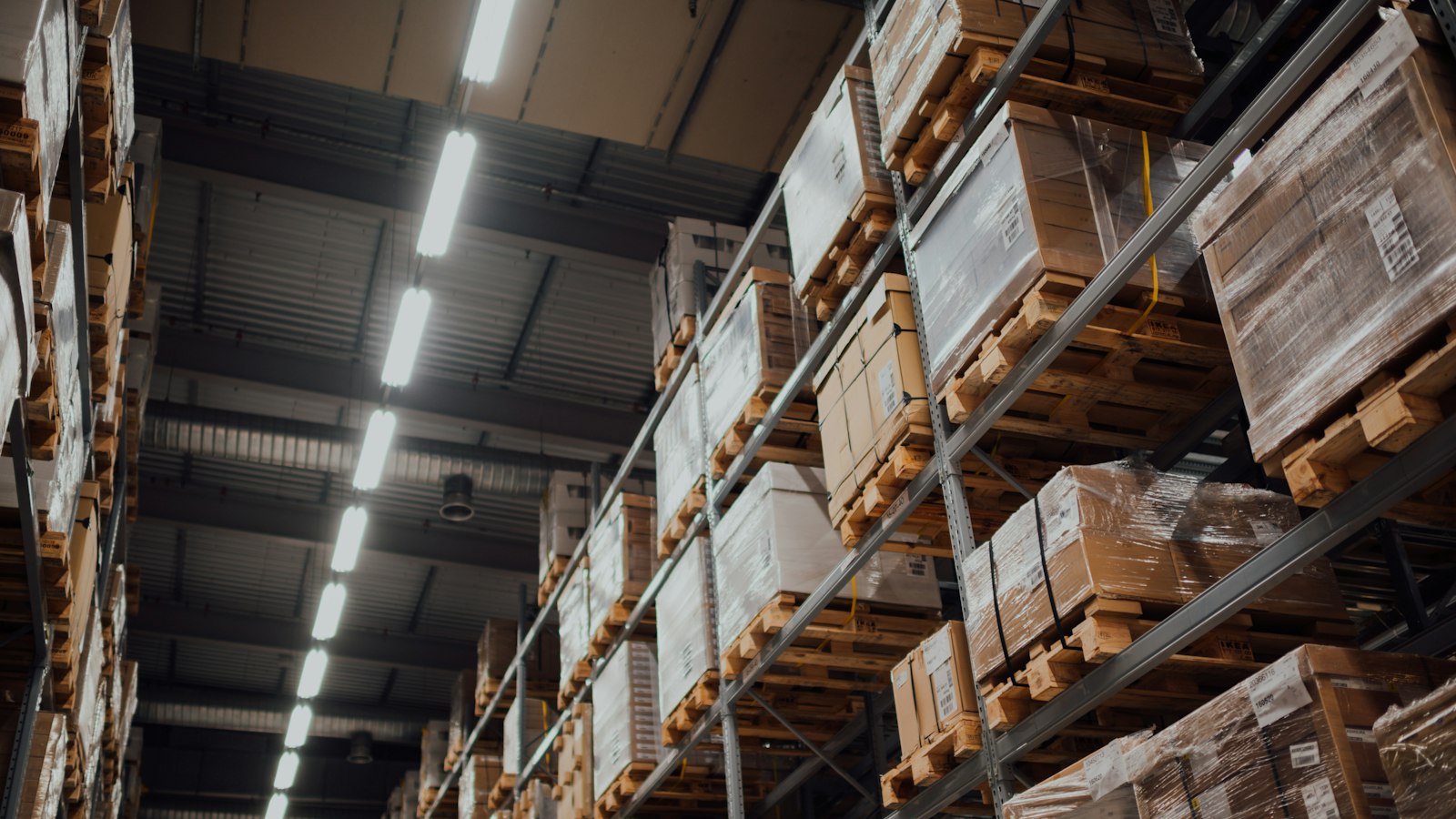
- Logistics and warehousing agreements covering storage, handling and liability for stock.
- Transport and freight agreements for road, sea and air carriage.
- Agency and freight-forwarding arrangements.
Allocating risk
- Define when risk and ownership pass, and align this with the Incoterms rule used.
- Set clear liability limits and claim notice periods.
- Require adequate insurance for goods in transit and in storage.
- Include force majeure and business-continuity provisions.
Operational resilience
Diversifying suppliers, tracking shipments and agreeing service-level indicators with key partners help prevent small disruptions from becoming major losses.
Transport sector considerations
Transport operators must hold the necessary licences, comply with safety and vehicle regulations and manage their employees’ working conditions carefully. Accidents and cargo claims require prompt legal response.
How we can help
We draft and negotiate supply, logistics and transport contracts and represent clients in cargo, carriage and supply-chain disputes.
This article is provided for general information only and does not constitute legal advice. For advice on your specific situation, please contact our team.